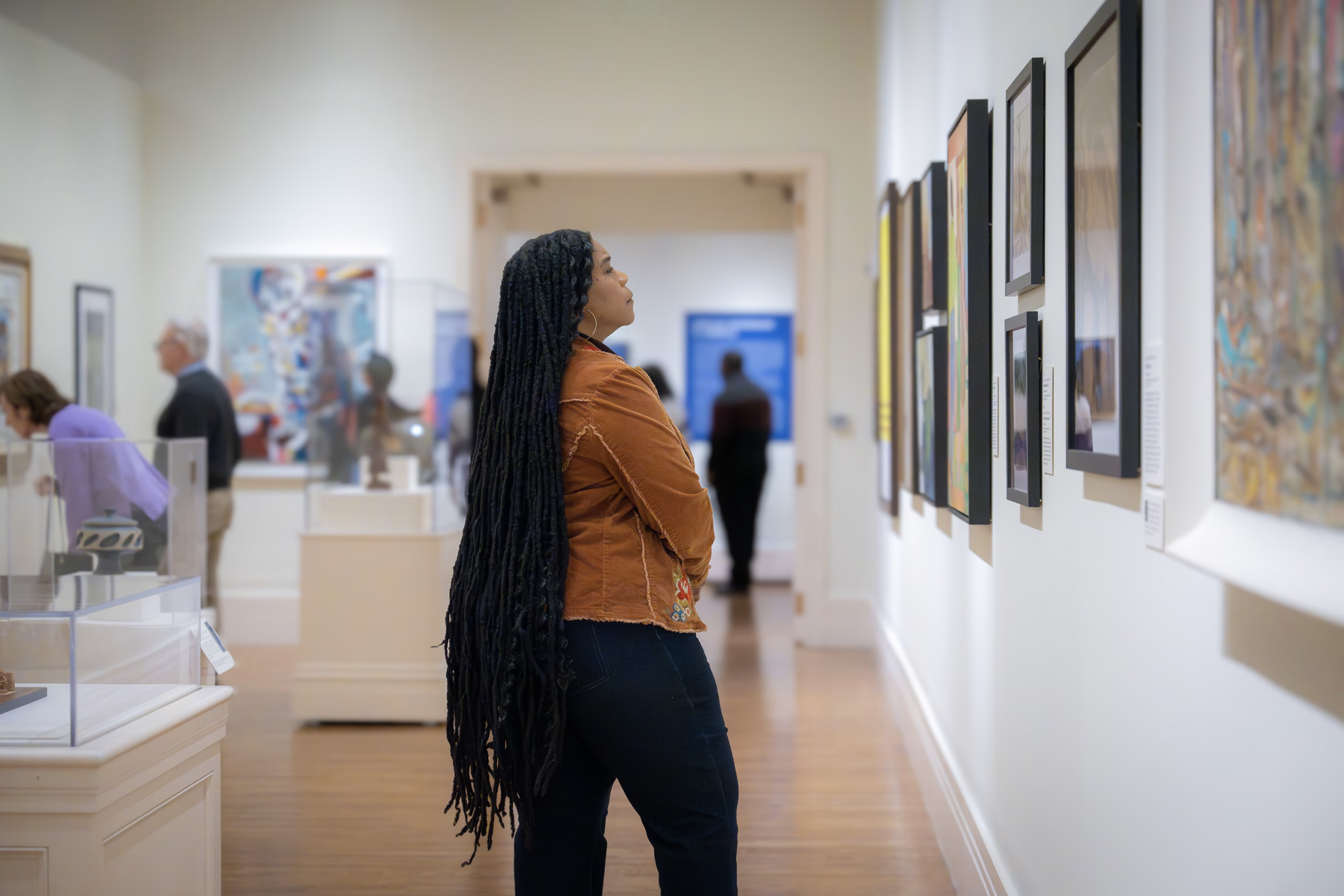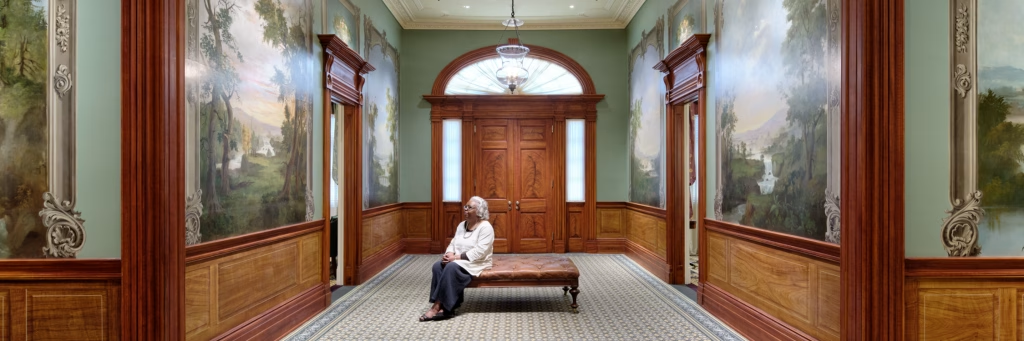
Nearly a century ago, Charles and Anna Sinton Taft made a remarkable decision: to give their historic Cincinnati home—along with the art collection they had spent a lifetime assembling—to the people of their city. That gift became the foundation of the Taft Museum of Art. Today, more than 800 works of European masters, Chinese porcelains, and French Renaissance enamels fill the rooms of a gracious 1820s federal-style home, offering visitors something rare: art encountered not in a grand institution, but in a place that once felt like someone’s home.
Like many museums, the Taft faced declining attendance in the post-COVID era and rising questions about how to stay relevant and financially sustainable. When new executive leadership arrived, it brought both urgency and opportunity—a chance to step back, assess the institution’s direction, and build a plan that staff, board, and community partners could carry forward together.
The Project
The Museum engaged the Winkler Group to conduct an inclusive strategic planning process built around a core conviction: that a plan is only as strong as the people who helped create it. Members, patrons, community partners, volunteers, board directors, and staff were all invited into the conversation from the start.
We began with a facilitated SWOT analysis that brought together board leadership, an institutional working group, and the staff leadership team. From there, we cast a wider net. Stakeholder interviews surfaced candid perspectives on the Museum’s strengths and opportunities. An electronic survey sent to the full stakeholder base yielded an exceptional response rate—a signal of how invested the community was in the Museum’s future. From this foundation, the Winkler Group helped the team draft goals and strategies that reflected what people across the Museum’s ecosystem actually cared about most.